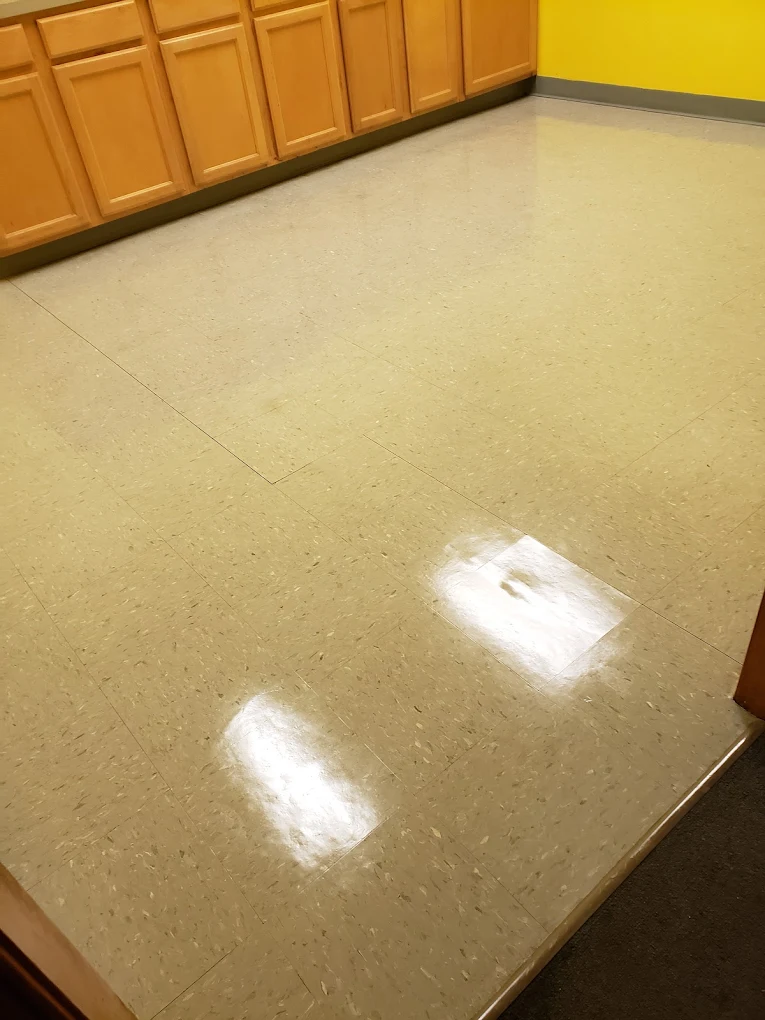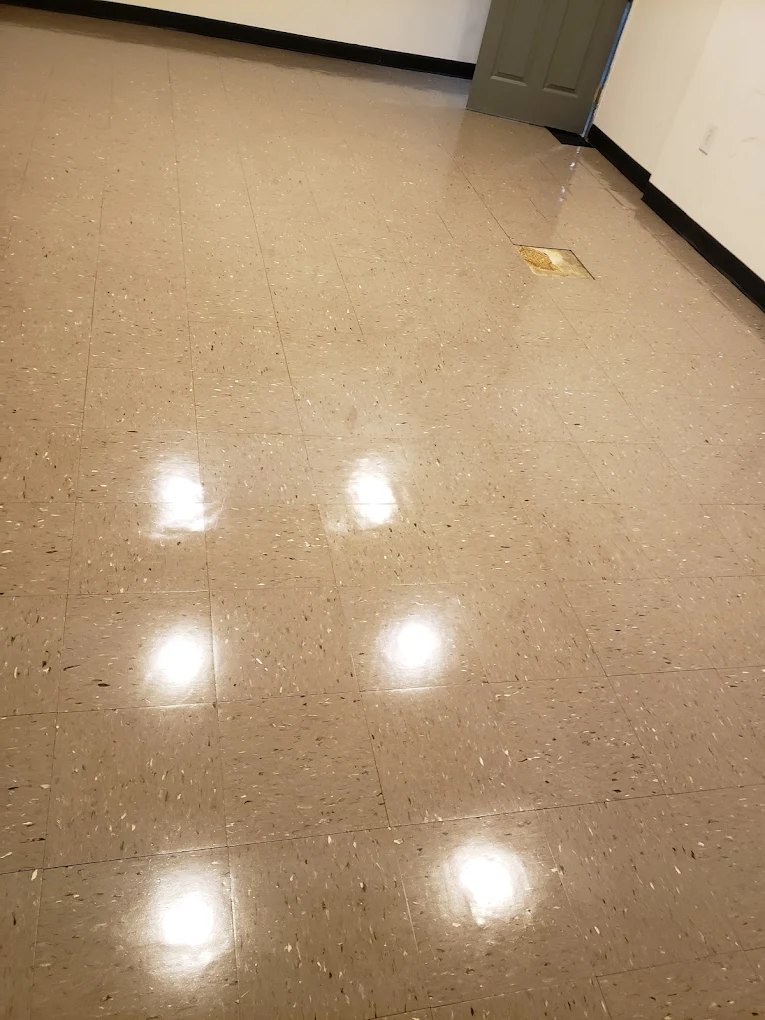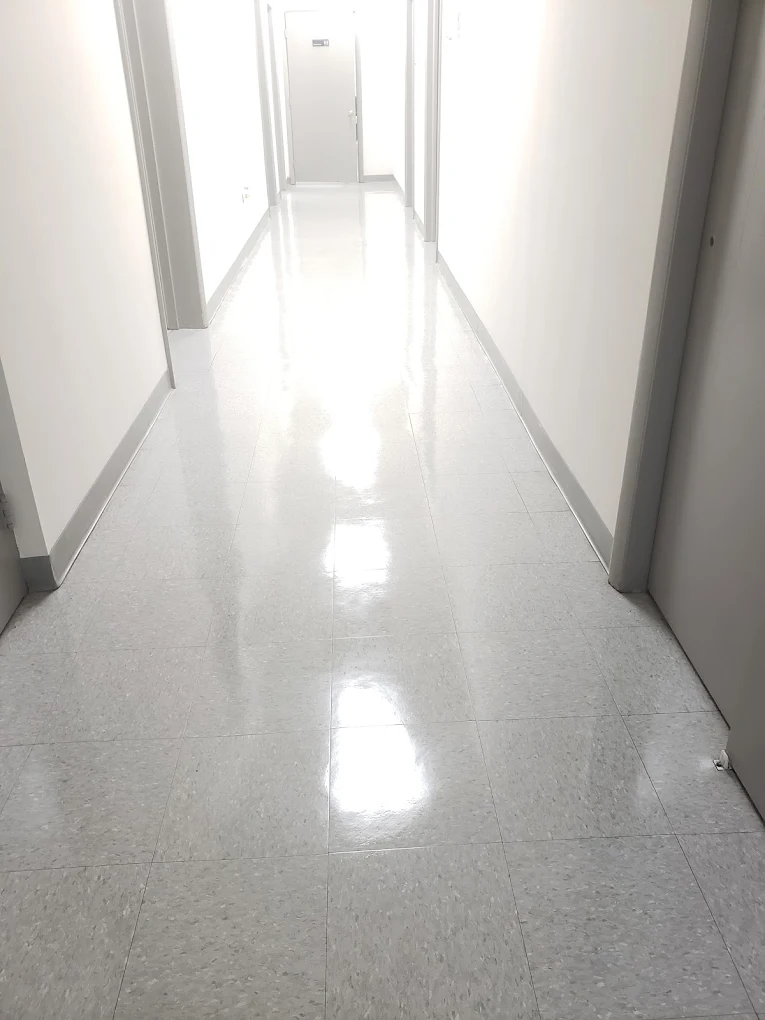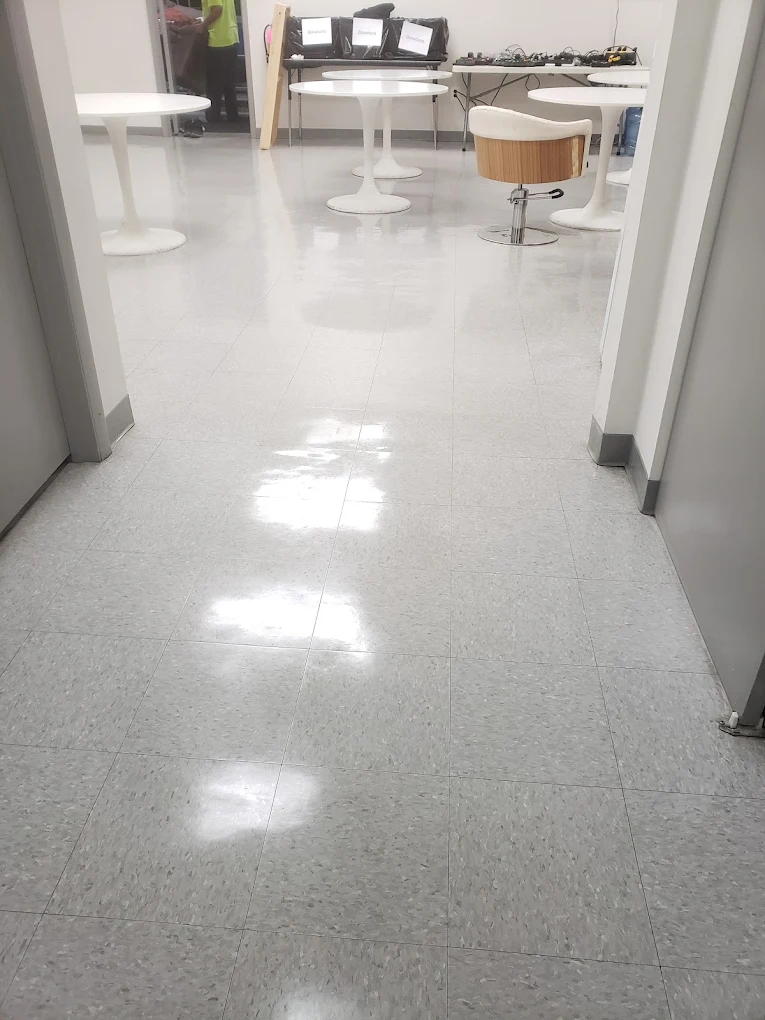
Cleaning, sanitizing, and disinfecting are often confused with each other by most as if they are synonymous terms, yet their missions are very different. Confusion may imply having some dirty germs hiding where you assume to be secure. Just take a case of wiping a kitchen counter, believing that you are winning the battle against bacteria and discover that not all bacteria are defeated. It is your secret key to preventing disease and contamination, knowing the distinction between cleaning and sanitizing, and where disinfecting fits in.
At home or in a busy commercial kitchen, when these steps are mastered, your environment can and will be safe and healthy. Are you about to find out the truth about these key hygiene behaviors? Your health and your peace of mind depend on it.
What is Cleaning?
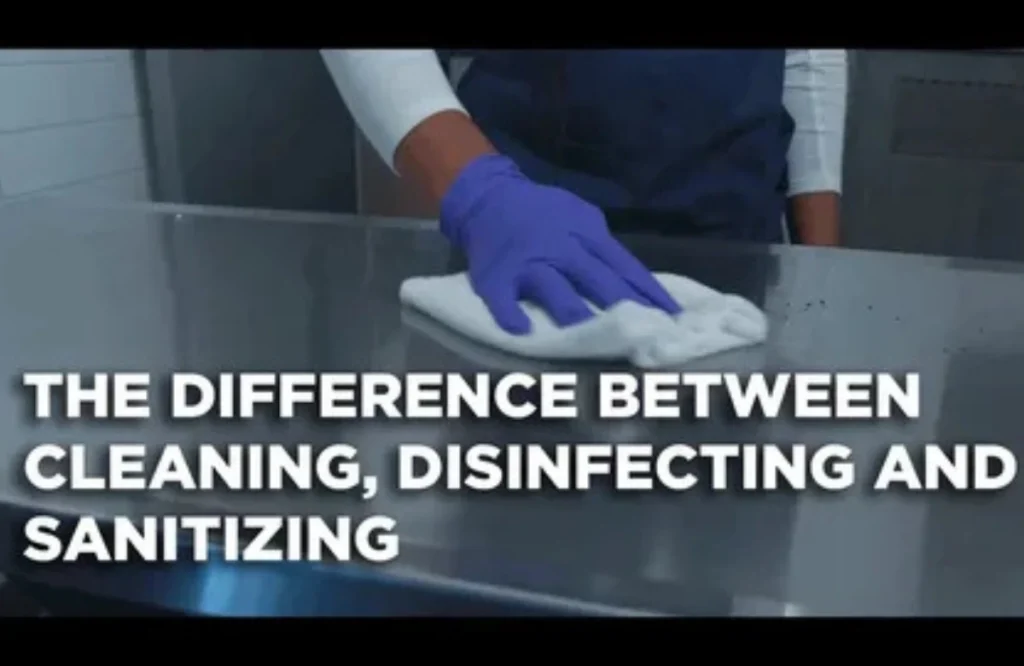
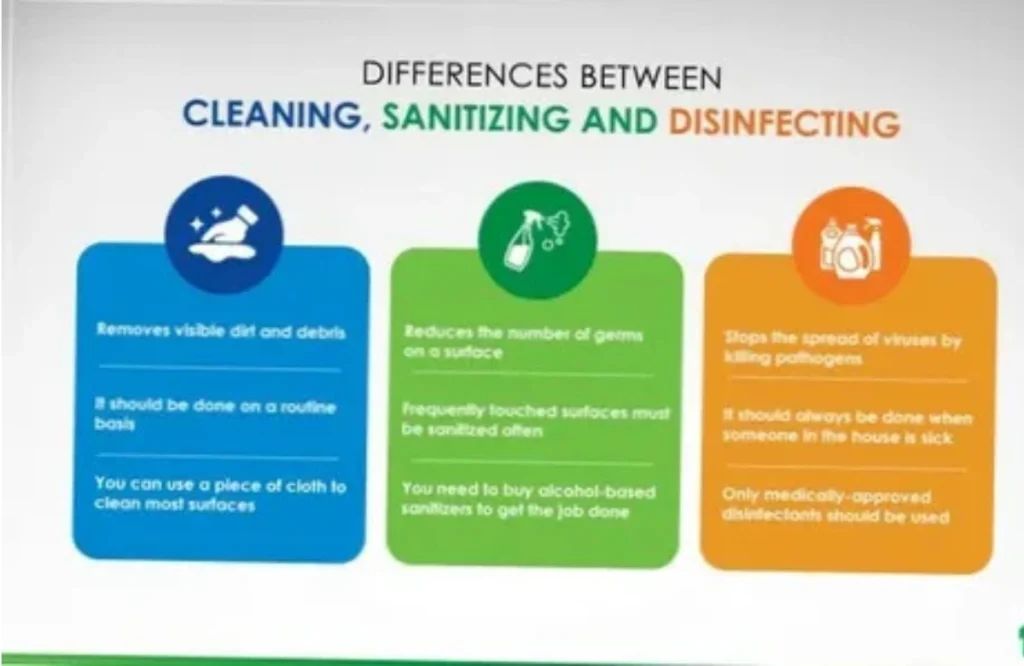
Cleaning is a physical action of removing debris, as well as dirt and certain germs, on surfaces with the help of soap, detergent, and water. It enhances the look of the surfaces and indirectly elimination germs through the formation of buildup on the surfaces where germs can proliferate. Ordinary products are clothes, brushes, mops, and vacuums.
However, not all bacteria or viruses are killed in the process of cleaning. It cleans the surfaces so that they can be sanitized or disinfected further by eliminating physical contaminants that may interfere with the processes. It all depends on beginning with proper cleaning to using proper sanitization techniques. This is vital in kitchens, where hygiene standards of kitchen cleaning presuppose the safety of surfaces with food contact. Commercial cleaners tend to refer to these processes using certain commercial terms of cleaning terms.
What is Sanitizing?
Sanitizing is a process of removing bacteria on a surface to safe levels based on the standards of public health. This is more than just cleaning, as it involves the active reduction of germs to prevent foodborne diseases, especially in kitchens and food preparation areas.
Sanitizing involves the use of chemical sanitizers, heat e.g., steam, or authorized sprays in order to minimize the number of bacteria. It has to comply with regulatory requirements of ruling bodies such as the FDA and local health codes. Practically, food contact surface sanitization is a strict measure taken to ensure it is safe. The explanation of the difference between sanitizing and disinfecting can be useful, knowing which items should be sanitized in the kitchen and which items need to be disinfected.
What is Disinfecting?
The disinfection process is more effective and the majority of bacteria, viruses, and fungi on the surface are killed or inactivated by it. It is harder than sanitizing and it is applied in high-risk environments like bathrooms, hospitals and kitchens. In spite of UV disinfection equipment, bleach solutions, or EPA-registered products are usually used as disinfectants.
The process of disinfection presupposes prior cleaning of surfaces, as dirt may decrease the efficiency. It also entails a certain period in time that the disinfectant should be in the wet stage on the surface. Proper disinfection and use are important in the disinfection of a surface. The difference between disinfection and sanitation can help one understand why the latter is required in some regions and the former is not enough.
Key Differences at a Glance
| Aspect | Cleaning | Sanitizing | Disinfecting |
| Purpose | Remove dirt & debris | Reduce germs to safe levels | Kill most germs & viruses |
| Tools/Methods | Soap, water, brushes | Chemical sanitizers, heat | EPA-approved disinfectants |
| Typical Use | Daily maintenance | Food prep surfaces | Bathrooms, high-touch areas |
| Germ Reduction | Low | Medium | High |
This cleaning, sanitizing disinfecting guide simplifies understanding how each method fits into broader germ removal methods and hygiene routines. It also touches on bacteria vs virus cleaning distinctions vital for targeted cleaning.
When to Use Each Method
Cleaning: The Essential First Step
Before any sanitization or disinfection, cleaning must always precede the disinfection. This is essential as it literally cleanses the ground, removes debris and to some degree cleans the germs, which is what prepares surfaces to receive further treatment. Cleaning is appropriate in terms of regular maintenance of any kind of environment, home, office, or business premises. Sanitizers and disinfectants would be ineffective without a thorough cleaning, as dirt and grime can cover dangerous microbes so that they would not be killed.
Sanitizing: For Food Contact Surfaces
Sanitizing is also tailored to surfaces that are in contact with food, including utensils, preparation counters and cutting boards. It emphasizes reducing bacteria levels to safe amounts to prevent food poisoning. To observe the standards of kitchen cleaning and sanitizing, as well as safe food handling, sanitizing of the kitchen should be sanitized after cleaning. Sanitizing will not be as intense as disinfection but is imperative in keeping food safe in residential and commercial kitchens.
Disinfecting: For High-Risk Areas
During disinfection, high-touch and high-risk locations are targeted and disinfected with stronger controls of microorganisms. This covers door handles, bathrooms, light switches and areas that have already been contaminated by an illness outbreak. Most bacteria, viruses and fungi are killed or inactivated by disinfection and therefore it is the preferred approach in health care, commercial kitchens as well as public areas where deep germ destruction is a priority. Cleaning should be followed by proper disinfecting and contact time should be considered to be effective.
Knowing When to Sanitize vs Disinfect in Kitchens
Knowledge of the time to sanitize or disinfect kitchen surfaces is important in food contact surface sanitization and adherence to food safety rules. Sanitizing of food preparation surfaces is the norm, and bacteria count will be kept at low levels. Disinfecting is only employed in the areas that may be prone to contamination or following such events as an illness, when a general elimination of germs is required. The given distinction makes sure that protection is guaranteed without the unnecessary use of chemicals, which corresponds to the best hygiene practices and compliance with the regulations.
Best Practices and Safety Tips
Product labels are to be read to be aware of the proper usage, mode of application, and the rate of dilution of cleaning, sanitizing, and disinfectant products.
- Wear gloves and any other necessary personal protective apparatus (PPE), including masks and eye protection, to protect the skin, as well as the eyes and the respiratory system against detrimental chemicals.
- Adhere to the suggested dwell or contact times so that the sanitizer or disinfectant remains moist on that surface during the allotted time so that germs are killed.
- Always clean surfaces properly and then apply the sanitizers or disinfectant because dirt and grime may decrease the effectiveness of the solution.
- Keeping all cleaning chemicals away and apart foodstuffs and other commodities and ensuring that they are not accessible to children and pets to avoid contamination and accidental exposure.
- Apply EPA-approved disinfectants and adhere to the terminology of commercial cleaning to comply with the regulations and increase the safety of workers.
- When using disinfectants, make sure there is enough ventilation as fumes need to be avoided and the air quality improved.
- Wear gloves and masks correctly, then dispose of them after use and particularly when cleaning contaminated areas or places where one is prone to infection.
These best practices of hygiene should be applied in the same manner to ensure the provision of safer and healthier homes and commercial environments.
Conclusion
Disinfecting, cleaning and sanitizing are renovatively useful practices. When used properly, each will help provide healthier, regulated, and worry-free environments to the families, staff, and customers. In case of commercial kitchens or in the environments where they can be considered risky, it may also be necessary to address the necessary proper sanitization methods and disinfection standards with the help of professional cleaning services.
Experience the Just Right Services LLC difference, your trusted partner for expert cleaning, sanitizing, and disinfecting. Visit us now to schedule your service and ensure a healthier, safer environment for your home or business.
FAQ’s
A: No. Cleaning should be done prior to sanitizing to eliminate the dirt and debris that may be hiding the germs against sanitizer and disinfectants. Sanitizing is applicable on clean areas.
A: In order to be effective, disinfectants must have particular duration of interaction, usually indicated on package labeling, which can be between 1 and 10 minutes.
A: The bacteria are mainly decreased by sanitizers. Others are efficient against viruses, however, the majority of viruses usually need to be disinfected.
A: Commercial disinfectants are typically EPA-registered at higher formulation levels that are used in areas that are at high risk whereas household disinfectants are used on daily basis at homes.
A: Restaurants are supposed to use many disinfections per day of high-touch areas particularly during the peak times or after the occurrence of contamination.