One of the most ignored elements in regards to your health and comfort at home is indoor air quality. Each inhalation you make may be filled with invisible dust, molds, allergens and poisonous pollutants which will deposit themselves without warning as time goes by. These unseen viruses do not even sit and rest, they spread, causing allergies, asthma and breathing problems without your knowledge. Just imagine that you wake up feeling refreshed, inhale air without being irritated, and are in a room where air actually helps you to be well.
The first thing that initiates that change is professional deep cleaning. In comparison to normal tidying, deep cleaning attempts to reach the dirt and contaminants that are in your carpets, vents, and upholstery and clean the air you breathe.
Why Indoor Air Quality Depends on Regular Deep Cleaning
- Potential accumulation Hidden: Dust, pet dander, mould spores and other allergens are trapped deep into the carpets, upholstering, vents and other inaccessible places.
- Airborne contamination: These particles are not cleaned properly and are therefore given to the air to recirculate and cause respiratory problems.
- Deep cleaning effect: Professional deep cleaning focuses on these hidden pollutants to minimize them and improve the quality of the air.
How Dust, Mold, and Allergens Build Up Over Time
- During days and weeks, a layer of dust is formed by human skin and hair flakes, cloth and hair of pets, as well as pollen.
- Mold is a fungus that reproduces in damp places such as bathrooms and kitchens or in places where there is a leak of water.
- Allergens such as dust mites are also known to proliferate in soft surfaces that have not been cleaned regularly.
Removal of Airborne Dust Through Professional Cleaning
Cleaning Techniques That Trap and Remove Fine Particles
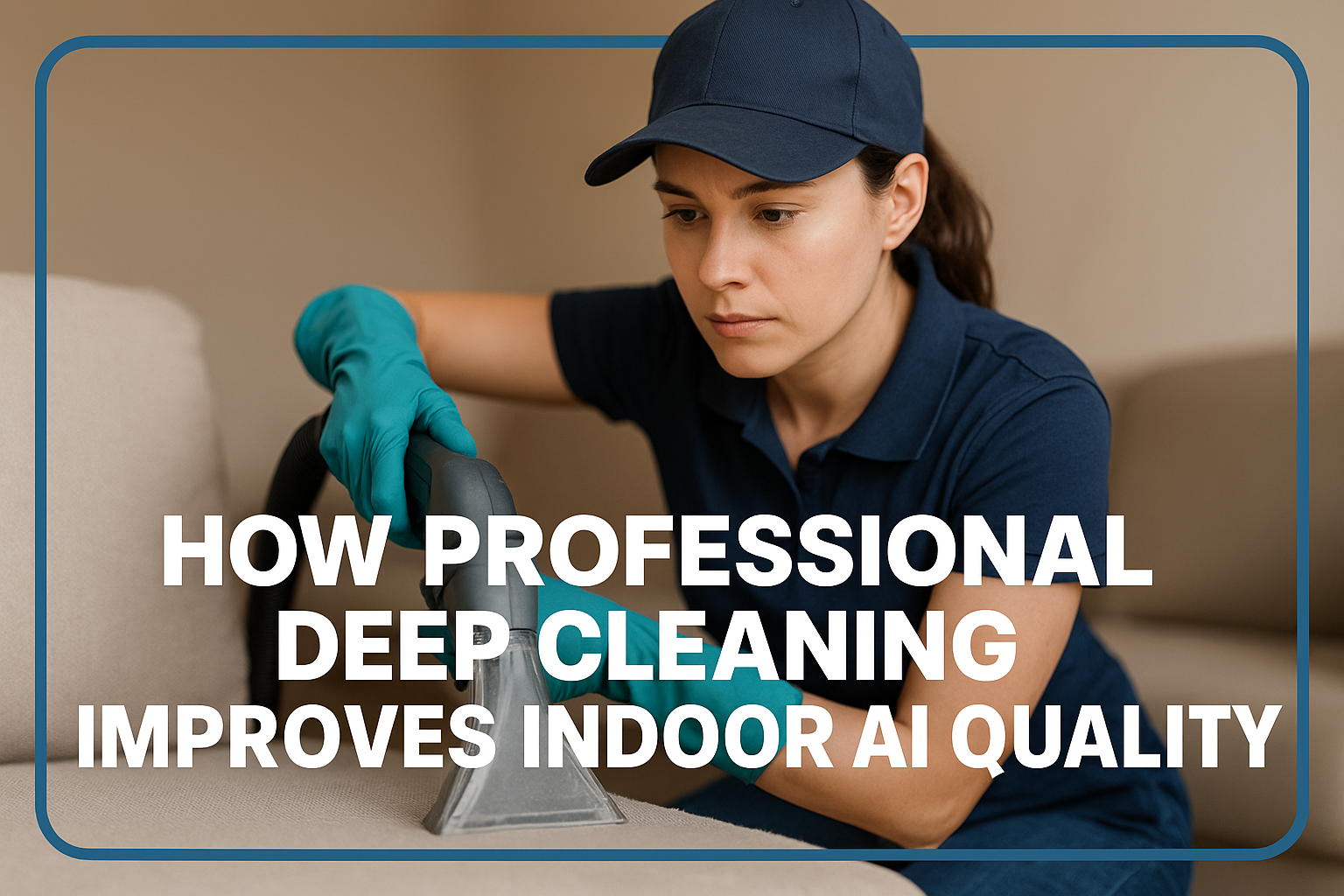
Professional cleaning involves state-of-the-art ways of capturing and eliminating air dust and fine particles. At the core of this method is the use of vacuum systems, which use HEPA filters that trap 99.97% of microscopic particles up to 0.3µm in diameter (dust, pollen and pet dander, etc.) on the filter. Microfiber cloths are applied as opposed to the conventional cleaning which can only distribute dust throughout the environment, unlike microfiber cloths that trap the dust without releasing it into the air. Another good method is steam cleaning which is effective especially with carpets and upholstery as deeply rooted dust and allergens are disturbed and removed which has the effect of reducing the number of airborne contaminants.
Benefits of Using Microfiber Tools and Sealed Vacuum Systems
Dust control is also of a different benefit when microfiber cleaning tools are used. The microfiber cloths with fine fibers hold dust particles so that they cannot be redistributed, and the results are cleaner surfaces that will last longer. This can be supplemented with sealed vacuum systems which guarantee dust collected during cleaning to remain within the vacuum and not be released into the air. This is a combination of microfiber tools and sealed vacuums which greatly enhances the quality of the air by minimizing the airborne dust during and after cleaning.
HVAC Filter Cleaning and Maintenance
Why HVAC Filters Are Key to Cleaner Air
HVAC filters are also essential in ensuring cleaner indoor air since the air will keep circulating in your house as a result of the HVAC systems. Once the filters are dirty or clogged, they not only cannot trap dust, pollen, and other particles but may also contribute to the widespread spread of these pollutants, affecting the health of all the people at home. Use of clean filters serves as a shield and traps the airborne pollutants before the air gets back to your living areas and works to keep the environment fresher and healthier.
How Professionals Handle Vent and Duct Cleaning
Professional cleaning services are more than performing filter replacement, which also cleans vents and ducts where dust and mold and other fouls may accumulate unseen. These pollutants pile up as time goes by within the ductwork and unless they are cleaned, they are circulated back into the air in your home. The special cleaning of the vents and ducts by the experts eliminates these concealed irritants and improves the air quality and airflow which can also increase the effectiveness of your HVAC system.
Recommended Filter Replacement and Cleaning Schedule
It is advisable that you change the air filters at least every three months, or even more often, in case you have pets, allergies, or live in a dusty place, to ensure that your HVAC system operates to its highest capability, and that the air in your home remains clean. In the case of duct cleaning, the hiring of professional services every 3-5 years is beneficial to avoid allergens and mold accumulation, whereas in the case of a home in a dusty or humid environment, it can be recommended to clean the ducts more frequently. A healthy and properly maintained home will last longer and be healthier.
Air Purification Benefits from Regular Deep Cleaning
How Removing Surface Buildup Helps Air Purifiers Work Better
Deep cleaning is also a major contributor to the effectiveness of air cleaners since it helps get rid of the contaminants attached to the surfaces like dust and dirt among others. Air purifiers do not need to work so hard in filtering airborne particles when such surfaces as floors, furniture and vents are clean. Such a reduction in workload will enable air purifiers to work more efficiently, enhancing the overall air quality and increasing the life of the devices. Purifiers are also able to capture and neutralize harmful contaminants in cleaner environments, making your and your family’s indoor environment fresher.
Signs Your Home Needs Air Quality Improvement
Recognizing when your home’s air quality needs improvement is vital for timely maintenance. Common signs include persistent odors that linger despite regular cleaning, visible dust buildup on surfaces, increased allergy symptoms such as sneezing and watery eyes, and frequent respiratory irritation like coughing or congestion while indoors. If you notice any of these warning signals, it’s a clear indication that deeper cleaning and air quality intervention are necessary to restore a healthy living environment.
Reduction of Mold Spores in Humid Environments
How Mold Spreads Through the Air and Affects Health
Mold thrives in damp, humid conditions and shoots small spores into the air that may be easily carried by the air ducts in your home and fall on different surfaces. These airborne spores are not the nuisance that they may be but can cause allergies, aggravate asthma symptoms, as well as cause respiratory infections. Since the mold spores are microscopic, they are usually not realized until one has experienced some health symptoms or visible mold hence, regular cleaning and maintenance would be necessary to manage their effects.
Cleaning Methods That Stop Mold at the Source
As long as the growth and spread of the mould is interrupted the mold control begins with focused cleaning. Treating the molded surface with antimicrobial cleaners is used to kill the colony of the mold and also discourages its growth. Also, it is essential to properly dry and dehumidify wet spaces since moisture is the main element that promotes the growth of mould. The following steps comprise professional deep cleaning in order to make certain that the form of mold is removed at its source and it is not being carried forward around by the spores propagated in the air.
Preventive Steps to Keep Humidity and Spores Under Control
In order to reduce the mold in the air and ensure the best indoor air, it is crucial to keep the humidity level at the right proportion. The indoor humidity should be maintained at 30 to 50% to avoid the growth of mold. A fast repair of the leaks, proper ventilation of rooms, which are prone to moisture such as the bathroom and kitchen and a dehumidifier in probably humid climates help in creating a mold-resistant environment. These preventative actions or activities, coupled with regular deep cleaning, will significantly decrease the amount of mold spores in your house and cause your house to remain healthy.

Eco-Friendly, Air-Safe Cleaners
Why Harsh Chemicals Can Worsen Indoor Air Quality
Volatile organic compounds usually include harsh chemical cleaners that can be volatile enough to be released into the air and cause irritation to your lungs, eyes and skin. These VOCs not only cause air pollution in the houses but also may cause or aggravate respiratory diseases like asthma and allergies. The long-term effects of such chemicals include headaches, dizziness, and permanent health issues; thus traditional cleaning products can be cited as an unintentional cause of low indoor air quality.
Recommended Green Cleaning Agents for a Fresher Home
Eco products are being used as a better cleaning product because they contain non-toxic substances that are natural hence cleaning your environment safely and safely as opposed to harmful chemicals. The most typical examples of green cleaners are vinegar-based products, essential oils and vegetable-based detergents, which decrease the residues of chemicals and also reduce fumes. These products enhance air freshness by preventing VOC emissions, which makes them suitable for ensuring that the indoor environment is healthy. Also, environmentally-friendly procedures such as microfiber cleaning and steam cleaning make the air safe by regulating dust and allergens, without the use of toxic chemicals. Green cleaning agent will not only be healthy for the indoor air environment but also will create a healthier home for you and your family.
Indoor Air Circulation Improvement
How Cleaning Vents, Fans, and Ducts Boosts Airflow
Maintenance of vents, fans; and air ducts: This is a very important exercise in improving the circulation of air indoors as it eliminates the debris and forms that may block airflow. Dust, dirt, and other debris find their way into these parts and slag the efficiency of your ventilation system leading to stagnant air. Cleaning services are the ones that get these barriers out of the way, allowing you to breathe fresh and cool air in your rooms which will aid in maintaining a healthier and more comfortable indoor environment.
Role of Decluttering and Dust Removal in Better Ventilation
Scatter in your house may trap dust and restrict the normal flow of air, which creates areas of concentration of pollutants. Such accumulation is prevented through regular dusting and de-cluttering of accumulation to enable more air changes to circulate furnishing, vents, and fans. Removal of dust on fan blades or vent covers also helps in ensuring there is a regular airflow to eliminate the possibility of dust recirculation and enhance the overall ventilation.
Maintaining a Consistent Cleaning Routine for Air Balance
Having a consistent deep cleaning habit is crucial in ensuring that there is a good balance in terms of air inside. Regular cleaning would mean that dust, allergens and debris would be cleared on schedule before they build up and affect air quality. Such maintenance will affect the effectiveness and efficiency of the HVAC system in your home, with the ability to spread cleaner air and provide a healthy and fresh home environment.
Conclusion
Professional deep cleaning is not merely a cosmetic measure it is a crucial measure to maintaining a better indoor air quality and a healthy body. Removing dust, mould, allergens and pollutants at the source, maintaining HVAC filters and applying environmentally sustainable practices enables you to provide a healthier and cleaner environment in the house. Regular deep cleaning is the biggest priority to have a better life with less air pollution and feel much better every day.
Whether a professional deep-cleaning is needed or an indoor air quality, you are always welcome in Just Right Cleaning. Get focused and embrace life to its full power.
FAQ’s
Preferably after every 3 to 6 months with home size, pets and presence.
Yes, by reducing allergens and irritants, it can decrease asthma triggers.
Absolutely. They aid in the removal of dirt without of dangerous chemicals that deteriorate the quality of the atmosphere.
Replace filters every 3 months and have ducts cleaned by professionals periodically.
Yes, clutter catches dust and prevents the air from flowing, which improves ventilation and cleaning efficiency.